
Bosch Pneumatic Governor Fuel Injection Pumps

Updated: Aug 28
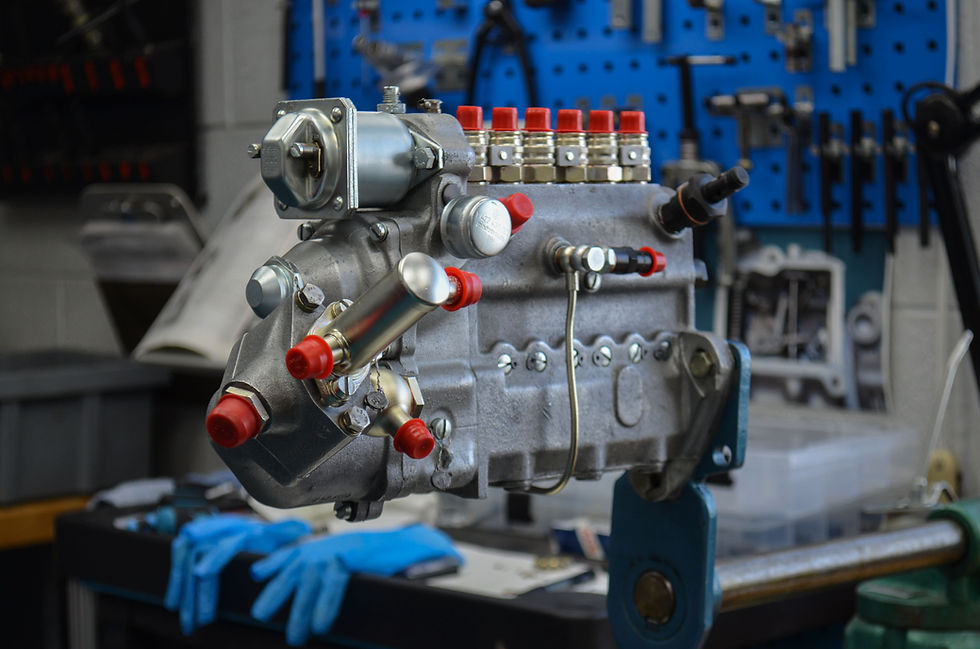
Fuel injection was used in diesel vehicles since its invention in 1925 but didn’t find a wider audience until the 1935 Mercedes-Benz W138, one of the first production vehicles fitted with a diesel engine. It would be another 15 years before the brand seriously experimented with gasoline fuel injection, first replacing carburetors in the W198 300SL for the 1953 racing season. While the W186 Adenauers were fitted with carburetors, the 1957 W189 300d featured in the previous blog post employed indirect port injection via the PES6KL 70/320 R7, a pneumatic governor fuel injection pump used from 1957-1958, after which it was replaced by the PES6KL 70/320 R9/22. The R9/22 evolved into the R11 and following pumps that powered the W113s.


Bosch Pneumatic Governor Fuel Injection Pumps were an early iteration of the inline-6 layout. They used a diaphragm unit and the venturi effect to create a vacuum based on air flow velocity which, in combination with gasoline injection, controls engine speed. The diaphragm was controlled by springs and linkages that, when extended or compressed, adjusted fuel mixture. As you can imagine, this was not the most accurate or efficient method for controlling air/fuel mixtures and later pumps replaced the diaphragms with fly weights and space cams for more exact adjustments. Furthermore, the diaphragms themselves were made of leather or plastic which degraded over time. Any leaks in the vacuum circuit or failure of the diaphragm would greatly effect the performance, often leading to rich running issues. As such, many vehicles with pneumatic diaphragms, including the famed 300SL, experience imperfect operation that many owners and operators attribute to age rather than deferred maintenance of the fuel injection pump. Many rumors and mechanic myths surround these running issues and you’ll find various “fixes” recommended over the years, often merely masking symptoms while ignoring the main culprit: a fuel injection pump in need of restoration.


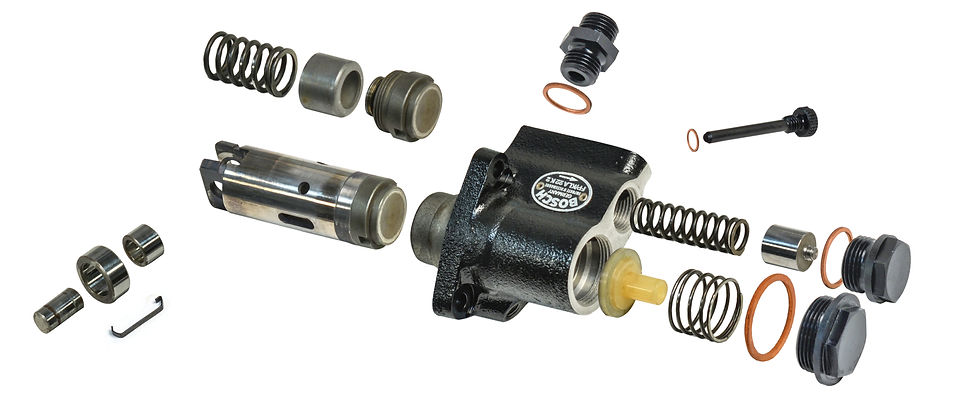
In the blowout image above, featuring a governor from a PES6KL70/320 R6 from a W188 300Sc, you can see how complex the pneumatic governor fuel injection pump is. Even the governor itself features dozens of linkages, springs, seals and plates that all experience wear, each potentially impacting operation of the vehicle.
On top of that, the pneumatic governor fuel injection pumps also utilized a fuel feed pump which, as the name implies, fed fuel to the plungers and barrels which eventually was injected into the engine. The fuel feed pumps are deceptively complex items in their own right, with numerous parts that are intricately machined to exacting specifications.

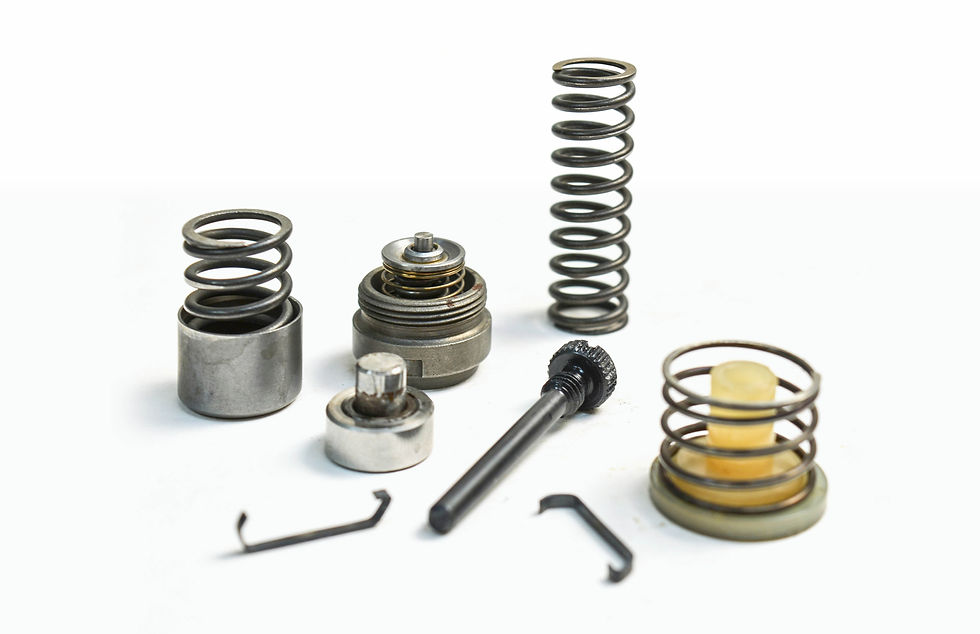
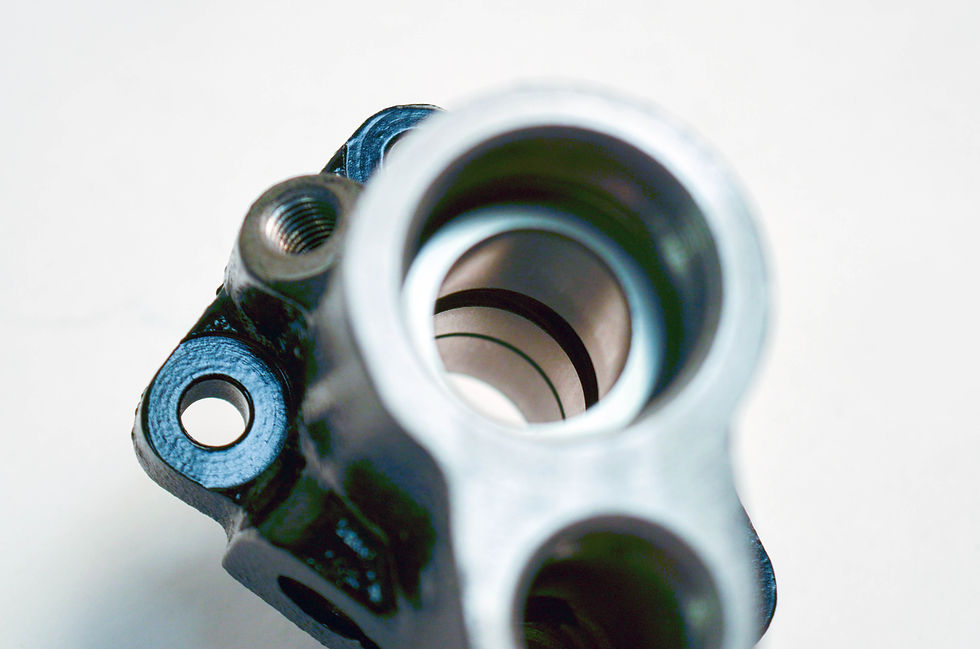
Altogether it’s easy to see why pneumatic governor fuel injection pumps have been overlooked, forgotten or ignored when it comes to maintaining even the best examples of these vehicles. Extreme complexity paired with loss of knowledge over time means the industry and enthusiasts have largely been in the dark when it comes to the importance of maintaining the fuel injection pumps, let alone finding someone who has the expertise to appropriately service and restore them. What should be one of the main focuses of a quality restoration has been largely disregarded in favor of minor adjustments with many simply accepting less-than-ideal performance as acceptable in a 70-year-old vehicle. At Black Forest we’re working to change that.

Learn more about pneumatic governor fuel injection pumps like the R9/22 over on our pneumatic governor fuel injection pump page on our website and keep an eye out for our next post where we’ll dive into the famed W198 300SL and its fuel injection pumps.

Comments